
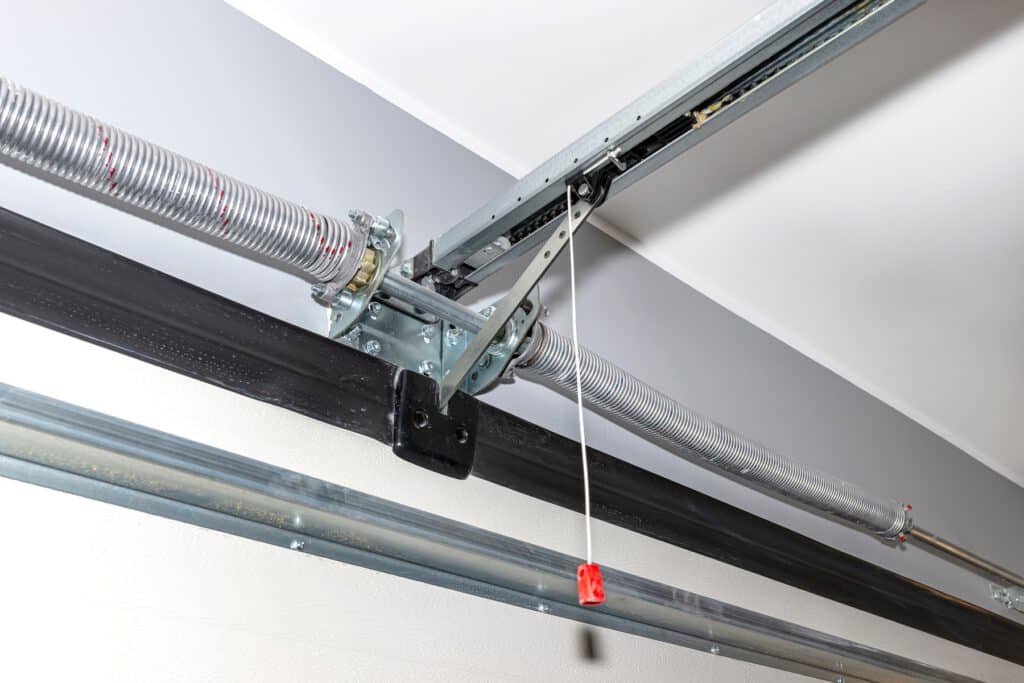
Your garage door does more than open and close on command; it protects your home, belongings, and daily routine. The garage door springs carry most of the door’s weight, controlling how smoothly and safely it moves. When a garage door spring becomes worn, unbalanced, or suddenly breaks, the entire system is placed under heavy tension, and the door can become unpredictable or unsafe to operate. Ignoring early spring problems can turn a simple repair into a serious safety hazard.
Delaying garage door spring repair also increases the chance of damage to other parts, such as cables, rollers, and the opener. What starts as a minor issue can quickly lead to a door that will not open, slam shut, or trap vehicles in the garage. Understanding why garage door spring issues should never be ignored helps homeowners act early, protect their family, and avoid higher repair costs later.
Understanding Garage Door Springs and Their Critical Role
Garage door springs are at the core of a safe, reliable garage door system. They counterbalance the door’s weight so you and the opener can lift it with minimal effort. When springs weaken or fail, the door becomes heavy, harder to move, and more likely to cause damage elsewhere in the system.
In most residential garage doors, the springs handle most of the lifting. Their design, type, and condition directly affect how smoothly the door opens and closes, and how well it protects everyone who uses it every day.
For a closer look at how odd sounds from the system can signal deeper issues with these components, read “When Strange Garage Door Noises Signal a Serious Hidden Problem.”
Types of Garage Door Springs: Torsion vs Extension
Most garage doors use one of two spring types: torsion or extension.
- Torsion springs sit on a metal shaft above the door opening. They twist to create torque that lifts the door. These springs are engineered for longer service life and higher safety and are often rated for thousands of cycles.
- Extension springs are mounted along the tracks on each side of the door. They stretch and contract as the door moves. Safety garage door cables usually run through them to help contain the spring if it breaks. They cost less than torsion springs but typically do not last as long.
Because torsion systems are more complex and built for higher performance, they usually require more advanced replacement work than extension springs. Knowing which spring type you have helps you understand repair options and costs.
To learn how spring tension itself can quietly turn everyday garage door use into a real hazard, be sure to explore “How Ignoring Spring Tension Issues Turns Everyday Use Into a Safety Risk.”
How Garage Door Springs Support the Door’s Weight
Garage doors can weigh hundreds of pounds, especially insulated or solid-wood models. Springs carry most of that weight by holding calibrated tension that balances the door. When springs are sized and adjusted correctly, the door feels surprisingly light and remains stable when opened halfway.
If springs are worn or broken, the door’s full weight shifts to the opener and hardware. A heavy, unbalanced door can slam down suddenly and place excessive load on tracks, hinges, and the opener, creating immediate safety concerns and increasing the risk of damage.
For a detailed breakdown of how delaying repairs to these weight-bearing parts can snowball into bigger problems, read “The Real Cost of Waiting Too Long on Garage Door Repairs.”
The Connection Between Spring Health and Smooth Operation
Smooth, quiet movement is a strong sign that garage door springs are in proper condition. A reliable door should travel evenly without jerking, straining, or making harsh noises. That usually means the springs are holding the correct tension and sharing the load across the system.
When springs begin to fail, you may notice squeaking, grinding, or a door that feels heavier or moves unevenly. These symptoms can signal worn coils, incorrect tension, or springs that are close to breaking.
Ignoring these early signs can lead to a sudden spring failure with a loud snap and a door that will no longer open or close safely. Regular professional maintenance, including inspection and lubrication of the spring system, helps detect problems early and reduces the chance of a sudden breakdown.
Common Causes Behind Garage Door Spring Issues
Garage door spring problems rarely happen out of nowhere. Most failures come from gradual wear as the door opens and closes thousands of times. Each cycle adds tension to the metal, eventually leading to fatigue and a broken spring.
Weather and skipped maintenance can speed this up. Rust on coils, debris on hardware, and unaddressed imbalance all contribute to increased wear. Understanding what causes garage door spring damage helps you spot warning signs early and schedule garage door spring repair before you face a complete system failure.
Daily Wear and Tear in Garage Door Spring Repair
Garage door springs are rated for a set number of cycles—often around 10,000. In a busy home, that limit can arrive sooner than expected. Daily use slowly weakens the metal until the spring can no longer support the door.
Springs wear out faster when:
- Frequency of use is high: Multiple daily cycles consume the spring’s life quickly.
- Door weight is higher: Heavy, insulated, or wood doors load the springs more each time.
- Spring quality is lower: Inferior materials fatigue earlier than high-quality springs.
Without regular maintenance, this wear can go unnoticed. A trained garage door technician can inspect the springs, check the balance, and recommend garage door spring repair or new spring installation before you end up with a door that will not open.
Impact of Chicago Weather on Garage Door Springs
Chicago’s cold winters and changing seasons are tough on garage door springs. Low temperatures can make metal more brittle and increase tension in already worn coils, increasing the risk of a sudden failure.
Moisture from rain, snow, and humidity can also cause rust. Corrosion weakens the metal and increases friction, so springs reach the end of their service life sooner than they should. Consistent care and timely service are especially important in climates with extreme temperature swings.
Maintenance and Inspection Gaps Leading to Problems
Skipping regular garage door maintenance creates inspection gaps that allow minor issues to turn into serious hazards. Springs operate under high tension, and the entire system depends on their proper operation. When they are neglected, the risk of damage or injury rises.
During a professional maintenance visit, a technician can identify issues such as:
- Rust or corrosion on spring coils
- Incorrect tension that leaves the door unbalanced
- Visible gaps or stretching that signal metal fatigue
These issues do not resolve themselves; they typically worsen until the spring fails. Scheduling an annual garage door inspection and service is a simple way to reduce emergency breakdowns and keep your garage door system operating safely.
Warning Signs You Might Have a Broken Garage Door Spring
A broken or failing garage door spring usually shows clear warning signs before the door stops working completely. Catching these early helps you avoid damage and safety risks. If you notice changes in sound, movement, or the appearance of the springs, schedule professional garage door spring repair right away. This is not a safe DIY job.
Strange Garage Door Noises Signal a Hidden Problem
Unusual noises are among the first clues that a spring problem is developing. A very loud bang from the garage often means a torsion spring has snapped, which can sound like a gunshot and usually leaves the door inoperable.
Other sounds to watch for include:
- Squealing or screeching: Often tied to worn, rusty coils that need service.
- Grinding or groaning: The garage door opener is working harder than usual, which can mean a weak or broken spring.
- Rattling or clanking near extension springs: Safety cables or springs may be loose, stretched, or broken.
Any new or sharp noise from the garage door system is a strong signal to have a technician inspect it immediately.
Difficulty Opening or Closing the Door
Sudden trouble lifting the garage door by hand is a classic symptom of a broken spring. Without a working spring, you are lifting the full weight of the door, which can be hundreds of pounds. The door may feel nearly impossible to move.
You might notice the automatic opener struggling as well. Common signs include:
- The opener starts, but the door only rises a few inches and then stops
- The motor runs, but the door does not move
- The door drops closed quickly instead of closing in a controlled way
A heavy door that will not stay open or that suddenly slams down indicates a failed spring and requires urgent professional repair.
Visible Damage or Gaps in the Springs
You can often see spring damage with a quick visual check from a safe distance. For torsion springs on the bar above the closed door, a broken spring usually shows a clear gap in the coil, often about two inches wide.
For extension springs along the tracks, warning signs include:
- A spring hanging down or stretched out of shape
- Cables or pulleys hanging loose or out of position
- Springs no longer under tension
If you see any of these issues, do not operate the door. Other hardware is under heavy load and could fail without warning. Contact a garage door professional to replace the springs and restore safe operation.
Safety Risks Associated with Ignoring Broken Garage Door Springs
If you ignore a broken garage door spring, you are putting yourself in real danger every time the door moves. The risk of injury increases sharply when a critical component of the garage door system fails. For safety, any door with a broken or failing spring should be treated as out of service until a professional repairs it.
Delaying garage door spring repair can also create severe damage to cables, tracks, the opener, and even the door sections themselves. What starts as a single spring issue can turn into a complete garage door replacement and higher costs. Waiting is risky both for your safety and your budget.
How Spring Tension Turns Everyday Use Into a Safety Risk
The tension in garage door springs allows a heavy door to lift smoothly—but that same tension can create a dangerous situation if something goes wrong. When the spring is damaged, that stored energy can be released suddenly and violently. Understanding how spring tension affects safety is essential for any homeowner.
Many homeowners ask, “Is it safe to use a garage door with a broken spring?” The answer is always no. Here is what can happen if you try to use it anyway:
- Sudden door collapse: If the spring can no longer support the weight, the opener or safety hardware may fail, and the heavy door may drop without warning.
- Uncontrolled energy release: When a spring snaps while the door is moving, metal pieces can whip or launch across the garage like sharp projectiles.
These risks mean a door with a broken spring should be considered unstable. Until a trained technician services the system, the garage door should remain unused.
Potential for Sudden Garage Door Failure
Once a spring fails, the full weight of the door shifts to the cables, brackets, and opener. Those parts were never designed to lift a door on their own. Under that load, they can fail suddenly, causing the entire door to drop to the floor without warning.
This danger is even greater with heavy doors such as insulated steel, solid wood, or wide double-car doors. Their weight can cause severe damage if they come down on anything in the opening. You cannot predict when additional parts will fail, which makes walking or standing under a door with a broken spring extremely unsafe.
The safest response to a broken spring is clear: stop using the door immediately and contact a reputable garage door company. Professional technicians have the training and tools to release tension, replace springs, and reset the system in a controlled, safe manner so you are not exposed to those risks.
An expert overview from Robson Forensic on overhead door safety further explains how a typical residential door can weigh enough to cause severe injury or worse if it fails unexpectedly, underscoring why spring and hardware issues must never be ignored.
Risks to Family, Pets, and Vehicles
The most important reason not to ignore a broken garage door spring is the danger it poses to your family. A faulty garage door system can fail without warning, causing severe injury or worse.
The risk extends to everyone and everything that shares the space:
- Injury to family members: A child or adult walking under the opening could be struck if the door falls unexpectedly.
- Harm to pets: Pets often follow you into the garage and may be caught under a falling door.
- Damage to vehicles and belongings: A sudden drop can crush a vehicle’s roof, break glass, and damage items stored near the opening.
Protecting your family, pets, and vehicles means treating spring damage as an urgent priority. If you suspect or confirm a broken spring, arrange professional garage door spring repair immediately to make the system safe again.
Addressing garage door spring problems as soon as you notice them is essential for safety and reliable operation. New noises, difficulty lifting the door, or visible spring damage are warning signs you should never ignore. Delaying service can turn a simple spring repair into a larger, more expensive issue and increase the chance of damage to your door, opener, or garage.
Premium Garage Door Repair is ready to help you restore safe, smooth garage door performance. Our technicians will inspect your entire system, address any spring issues, and ensure your door operates properly. If you need reliable garage door service or have concerns about a possible spring problem, contact us today or give us a call. Your safety and peace of mind come first—let us handle the heavy lifting.