
Your garage door might still open and close, even if it makes a small creak, groan, or brief pause, so it is easy to ignore those early signs. However, these changes often indicate that something within the garage door system is not functioning properly, especially the springs that carry most of the door’s weight. When warning signs are overlooked, minor garage door issues can quietly worsen with each open-and-close cycle.
Delaying needed garage door repair does more than create inconvenience. It can lead to damaged components, sudden failures, and higher costs when multiple areas of the system fail simultaneously. In severe cases, a worn or failing garage door spring system can pose serious safety risks to your home and family. Understanding the real cost of delaying garage door repairs helps you make timely decisions that protect both your budget and your safety.
Why Timely Garage Door Repairs Are Essential for Chicago Homeowners
For homeowners in Chicago, a reliable garage door is essential. It helps protect the house, shields vehicles and storage from harsh weather, and keeps everyday routines running smoothly. Scheduling garage door repair as soon as issues arise helps keep your home secure and reduces the risk of sudden breakdowns. When maintenance is delayed, minor issues can escalate into larger problems that increase safety risks and repair costs.
The most effective way to keep your garage door system performing well is to address minor issues as soon as you notice them. If you are asking, “How do I find a reliable garage door spring repair service near me?” start by checking local garage door experts with strong reviews, clear communication, and proven results.
To understand why these spring-related issues in particular should never be put off, you can also read “Why Should Garage Door Spring Issues Never Be Ignored?”
Common Problems from Delaying Garage Door Spring Repair
When a worn garage door spring is ignored, the problem rarely stays the same. Over time, the spring loses tension and may eventually fail, leaving the door inoperable. You may notice the door becoming difficult to open, closing too quickly, or moving unevenly, which adds extra load to other parts such as garage door cables, rollers, and the opener.
Delaying service also reduces overall system performance. What seems like a slight sound or brief hesitation now can develop into a severe failure later. Ignoring these early warnings increases the chance of a broken spring that traps your vehicle, leaves the garage less secure, or damages other parts. A garage door expert knows what to check, can identify early signs of trouble, and helps you avoid high repair costs and last-minute emergency visits.
To better understand how odd sounds connect to these spring issues, “When Strange Garage Door Noises Signal a Serious Hidden Problem” is a valuable companion read.
How Delays Can Escalate Minor Issues into Major Expenses
Delaying garage door spring repair often leads to higher long-term expenses. A simple spring adjustment or an early planned replacement is far easier than dealing with a complete failure. Once spring breaks, problems can escalate quickly.
When a spring fails, the system can no longer support the full weight of the door. The door may slam down, bend panels, or push tracks out of alignment, turning a single-spring issue into multiple repairs and potential safety hazards. A broken spring also forces the automatic opener to lift more weight than it was designed to handle, which can cause the motor to overheat or fail. That means paying for garage door opener repair or replacement in addition to spring service.
Addressing garage door spring issues promptly can save time, protect your budget, and help keep everyone in your household safe. To know how spring tension problems quietly turn everyday use into a serious safety risk, you can also read “How Ignoring Spring Tension Issues Turns Everyday Use Into a Safety Risk.”
As Bob Vila’s garage door maintenance guide explains, even one small part that’s out of place can create a chain reaction of wear and tear that turns a minor repair into a much larger, more expensive fix if it’s ignored.
Recognizing Warning Signs of a Broken Garage Door Spring
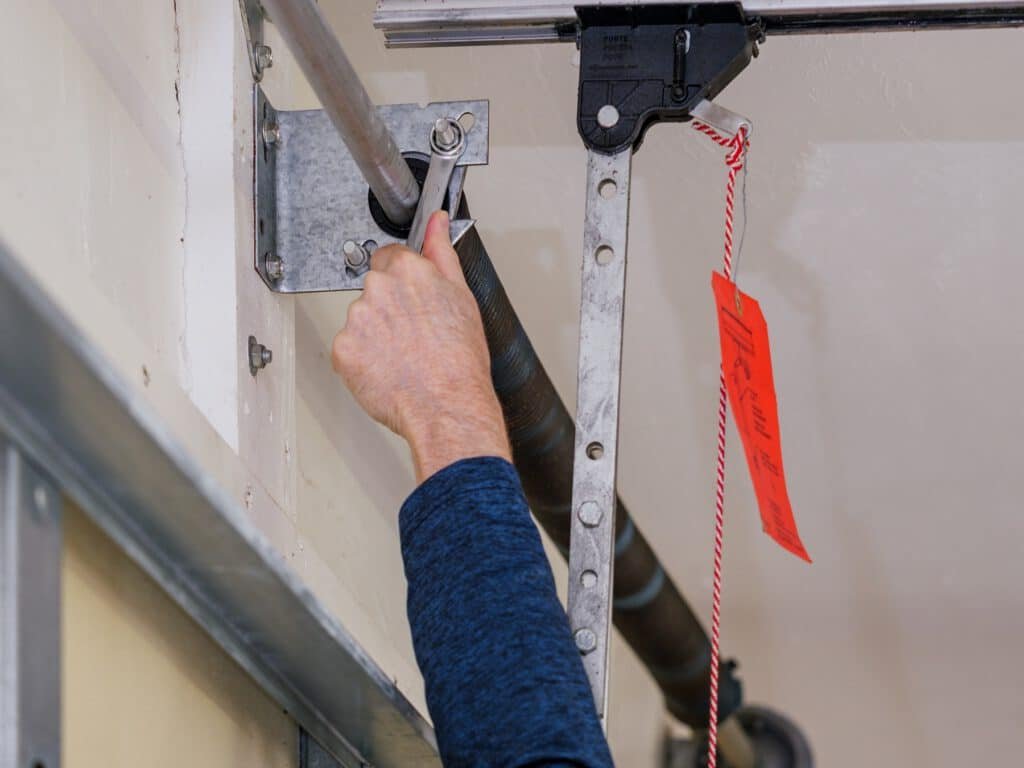
Knowing the warning signs of a damaged spring helps you act before the situation becomes dangerous. One of the most common signs is a sudden loud bang from the garage, often described like a firecracker or gunshot. That sound usually means a torsion spring has snapped, releasing its stored energy.
You may also see a clear gap in the spring coil above the door or along the side—this is a strong sign the spring has broken. Other red flags include a garage door that suddenly feels very heavy when you try to lift it, or loose cables hanging near the tracks. If you notice any of these issues, contact a garage door expert right away for an inspection.
Symptoms of a Garage Door Spring Broken Versus Needing Adjustment
Differentiating between a broken spring and one that only needs adjustment is essential. A broken spring usually causes major problems, while a spring that needs adjustment often creates milder, but still serious, performance issues.
If the spring is only out of adjustment, the door may open or close unevenly, stop partway, or feel slightly heavier than usual. The door might still move, but not as smoothly or predictably as it should.
When the spring is broken, the signs are much more serious, such as:
- A loud snap or bang from inside the garage
- A door that will not open at all, even with the emergency release
- A visible gap or break in the spring coil
- The door was dropping quickly and out of control while closing
If you notice the door feels heavier, does not stay open, or moves unevenly, share those details with the technician. Clear information about what you see and experience helps the expert diagnose whether your garage door spring needs adjustment or full replacement.
Potential Safety Risks If Garage Door Springs Are Neglected
Neglecting garage door spring issues creates serious safety risks. Springs hold a large amount of tension to balance the door’s weight. When a spring fails, that stored energy can be released instantly. This is why an untrained homeowner should never handle spring work.
The biggest danger is the door itself. Without a working spring, the door can drop suddenly and forcefully. This can cause severe injury to a family member or major damage to anything beneath the door. A broken spring turns the door into a heavy, unpredictable hazard that must be taken seriously.
Other safety risks include:
- A spring snapping loose and traveling across the garage
- Cables breaking under sudden load and striking nearby objects
- A homeowner is injured while trying to lift the heavy door by hand
- Vehicle damage if the door fails while a car is parked underneath
If you suspect a broken or failing spring, the only safe choice is to contact a professional garage door technician. They have the training and tools to handle spring tension correctly and restore safe operation.
Understanding the Real Costs
Delaying garage door repairs can lead to much more than inconvenience. When minor issues are handled early, the system stays in good condition. But when repairs are ignored, minor concerns can grow into major problems that affect safety, reliability, and long-term performance.
Consistent garage door maintenance helps prevent these bigger issues from developing. While the cost of spring replacement varies, it is usually far less than repairing additional components such as panels, cables, or the opener. Understanding what influences repair costs helps you make smarter choices about protecting your garage door system.
As one garage door maintenance overview from Handyman Tips points out, homeowners who skip regular care often face more frequent repairs and even premature door replacement, which ultimately costs far more than dealing with small issues early.
Factors Affecting Average Cost for Garage Door Spring Repair
The cost of garage door spring repair depends on several factors, as every garage door system and level of damage differ. The type of spring used is one of the biggest variables—torsion springs usually require more work to replace, but also tend to offer better durability than extension springs.
Damage level also matters. If a failing spring strains other parts, repairs can take longer and involve more components. A trained technician can assess the whole system, identify hidden issues, and ensure the door is restored to a safe working condition.
Key factors that influence overall repair costs include:
| Factor | Description |
| Spring Type | Torsion springs are generally more expensive but more durable than extension springs. |
| Number of Springs | Most experts recommend replacing both springs at once for balanced operation. |
| Labor Costs | This varies by company, location, and job complexity. |
| Additional Damage | Costs increase if the door panels, cables, or opener were also damaged. |
Possible Damage to Garage Door Systems Due to Waiting Too Long
When spring repairs are postponed, other parts of the garage door system often take on the extra strain. Springs balance the door’s weight, so once they fail, the opener, tracks, and cables must support more force than they were designed to handle. Over time, this can lead to larger system failures.
A garage door operating with a worn or broken spring can cause the opener to work harder than intended, leading to overheating or internal wear. The door may also move unevenly, placing the tracks, rollers, and panels under stress. In severe cases, the damage may become widespread enough that repairing multiple components becomes necessary.
Common issues that develop when spring repairs are delayed include:
- Bent or stressed garage door panels
- Frayed or loose lifting cables
- Worn-out opener gears or a motor that stops working correctly
- Misaligned or damaged tracks
Addressing problems early prevents them from spreading and helps protect the overall lifespan of your garage door system.
If you ignore necessary garage door spring repairs, the cost often rises far beyond the original issue. Minor issues can gradually damage other parts of the system, leading to higher repair bills, unexpected breakdowns, and safety risks for everyone in your home. Knowing the real cost of waiting too long on garage door repairs helps you see why early action is always the smarter choice.
Premium Garage Door Repair is ready to provide prompt, professional service so your garage door operates safely and reliably. Our technicians can inspect your system, address spring concerns, and prevent minor issues from turning into major damage. Do not wait for warning signs to worsen. Give us a call or contact us today to schedule an inspection or garage door repair and keep your home protected.