
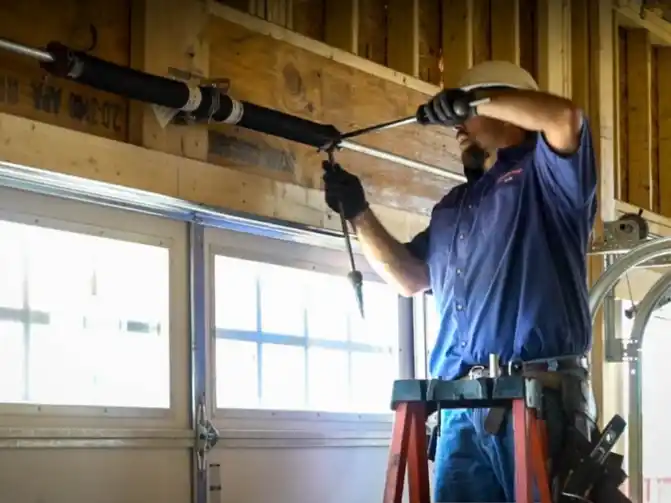
The springs in your garage door system handle most of the heavy lifting every time the door opens and closes. They may appear small, but they carry significant tension and control how safely the door moves. When spring tension is off—even slightly—or when a garage door spring becomes weak or breaks, the door can become unstable, heavy, and unpredictable. That is more than an inconvenience; it is a serious safety concern for your home.
Ignoring spring tension issues can lead to sudden door failure, damaged hardware, or injury for anyone using the garage. Early warning signs, such as uneven movement, loud noises, or a door that feels heavier than normal, should never be dismissed. Addressing garage door spring problems quickly with professional help keeps the system operating safely and protects your family, vehicles, and property every day.
Understanding the Critical Role of Garage Door Springs in Everyday Safety
Garage door springs are what make a heavy garage door feel light and easy to use. They balance the door’s weight so it opens and closes smoothly, whether you use the opener or lift it by hand. Without properly functioning springs, the door’s full weight becomes too much for the opener to handle and too dangerous for anyone nearby.
When springs weaken or lose tension, the door becomes unbalanced. This can turn an everyday task into a safety risk. Knowing how springs support your garage door helps you understand why quick attention and regular maintenance are so important.
For a broader look at why these problems should never be postponed, you can also read “Why Should Garage Door Spring Issues Never Be Ignored?”
What Is Spring Tension and Why Does It Matter for Garage Doors?
Spring tension is the stored force inside your garage door springs. This tension offsets the door’s weight, allowing it to lift smoothly. When the tension is set correctly, the door feels light, moves evenly on its tracks, and does not strain the opener.
If the tension is too low, the door becomes heavy and difficult to lift. If the tension is too high, the door can move too fast or slam shut. Either situation puts the system and your safety at risk.
Proper spring tension protects all other garage door parts, prevents sudden drops, and keeps the door working safely every day. This is why adjusting or repairing springs should always be handled by trained professionals.
If you want to understand how unusual sounds often reveal dangerous tension problems, “When Strange Garage Door Noises Signal a Serious Hidden Problem” is a helpful next read.
Common Garage Door Spring Types: Torsion vs Extension Explained
Garage doors typically use one of two spring systems: torsion or extension springs. Each type supports the door’s weight differently.
Here is a simple breakdown of their key differences:
| Feature | Torsion Springs | Extension Springs |
| Location | Mounted horizontally above the door | Run along the side of the door, parallel to the tracks |
| Durability | More durable and longer-lasting | Tend to wear out faster |
| Operation | Wind and unwind to lift the door | Stretch and contract to lift the door |
| Common Use | Modern residential garage doors | Older garage door models |
Understanding your spring type makes it easier to recognize problems early and ensures you get the right repair service when needed. To know how delaying spring and hardware service can lead to bigger problems over time, be sure to check out “The Real Cost of Waiting Too Long on Garage Door Repairs.”
Warning Signs of a Broken or Faulty Garage Door Spring
Your garage door usually gives you clues before a spring fails. These early signs are your chance to address issues before they turn into a sudden, dangerous break. Pay attention to changes in sound, motion, and how the door feels when you use it.
If the door starts making odd or louder noises, or feels different to operate, it often means the spring system is under strain and needs professional attention.
Physical and Operational Indicators: Your Springs May Be Failing
You can often hear or see trouble developing in the springs. A sudden, sharp bang from the garage is a classic sign that a spring has snapped under tension. But other warnings are easier to miss.
If the door suddenly feels heavy when you lift it by hand, the springs are no longer carrying the weight. Jerky, uneven travel is another signal that the system is out of balance. Watch for:
- Visible gap: A 2-inch or larger gap in a torsion spring coil usually means it has broken.
- Crooked door: The door appears to be tilted or uneven as it moves, often due to a single failed spring.
- Rust on springs: Corrosion weakens the metal, increasing the risk of a break.
- Loose cables: Garage door cables that droop or slip off the drums often indicate a spring failure.
Any of these signs means the door should be serviced promptly, not used as usual.
How to Identify if Your Garage Door Springs Need Replacement
You do not have to wait for a complete failure to know the springs are wearing out. A quick visual check can reveal problems. Examine the springs from a safe distance and see if there are coil gaps, rust, or sections that appear stretched or misshapen. These signs show the springs are nearing the end of their lifespan.
Balance also matters. On a properly balanced system, the door should feel relatively light and move smoothly. If it wants to drop, race upward, or will not stay near the halfway point when operated by a professional with the opener disengaged, the springs are likely out of adjustment or failing.
If you notice any of these conditions or suspect a spring break, stop using the door and contact a garage door technician. Ignoring these warnings shortens the lifespan of the spring system and increases safety risks for your household.
For more examples of noises, movement changes, and visual spring issues that signal it is time to call a professional, this garage door maintenance guide from Angi outlines the key red flags homeowners should never ignore.
The Hidden Dangers of Ignoring Garage Door Spring Tension Issues
Ignoring a faulty garage door spring turns a minor problem into a serious safety risk. What begins as an odd sound or uneven movement can quickly lead to a spring failure. When a spring can no longer maintain proper tension, the system that supports the door’s full weight stops doing its job instantly.
At that point, the door is no longer safe or reliable. A failed spring can cause property damage, expensive repairs, and serious injury. This is why spring issues should never be delayed and should always be handled by a professional garage door repair service.
Everyday Risks Associated with a Broken Garage Door Spring
Once a spring breaks, the garage door becomes difficult to control and unsafe to use. The danger is a door that can drop suddenly without warning because the weight is no longer supported. A fast-falling door can cause severe injury or crush anything in its path.
Operating the garage door opener with a broken spring also overloads the motor. Openers are designed to move a balanced door, not lift the full weight on their own. Continued use under these conditions can quickly burn out the motor and damage other parts, leading to additional repair costs. Spring repair is never a safe DIY project—the tension and weight involved make professional service essential.
Common problems when a spring has failed include:
- The door can drop quickly and unexpectedly onto a person, vehicle, or belongings.
- Lifting the door by hand becomes extremely difficult, increasing the chance of back or muscle injury.
- The opener overheats or fails due to excessive load.
- The door stopped halfway and became stuck, creating security and access issues.
Potential Damage and Injuries from Spring Failure
A spring failure can happen without warning and release a large amount of stored force. This sudden release can damage tracks, panels, hinges, and cables. In severe cases, the door can come off its tracks and strike a vehicle or items stored nearby, causing costly damage.
The most significant concern is personal injury. Garage doors are heavy, and a falling door can cause serious injury or death. Attempting to lift or move a door with a failed spring can also strain muscles and joints. For homeowners, the risk simply is not worth it.
Delaying spring repair allows problems to spread through the rest of the system. A single neglected spring issue can eventually lead to damage serious enough to require a full door or opener replacement. Handling spring tension problems promptly is one of the most important steps you can take to protect your family and keep your home safer.
Professional Garage Door Spring Repair: Why Timely Service Matters
When you notice signs that a garage door spring is not working correctly, calling a professional garage door repair service right away is the safest decision. Prompt service keeps the system safe to use and helps prevent minor spring issues from escalating into damage to the door, opener, or hardware.
A trained technician brings the right tools, replacement parts, and experience to handle high-tension springs correctly. Professional repair extends the lifespan of your garage door system, helping it operate smoothly and reliably for years rather than failing early from avoidable strain.
Average Cost Factors for Repairing or Replacing Garage Door Springs
The cost of garage door spring replacement can vary because every door and spring system is different. There is no single set price; the total depends on the specific requirements of your installation.
Key factors that influence cost include:
- Spring type: Torsion springs typically cost more than extension springs due to their more complex design and installation.
- Number of springs: Replacing both springs on a two-spring system usually costs more upfront but supports better balance and performance.
- Spring rating: Standard springs are less expensive initially, while high-cycle springs cost more but are designed to last longer under frequent use.
- Door size and weight: Larger, heavier doors require stronger springs, which can increase material cost.
A garage door professional can inspect your door, identify the correct spring type and size, and provide an accurate estimate based on your system rather than a generic number.
A broader look at garage door regulations from Workiz shows how licensing, safety standards, and local code requirements also influence how professionals specify springs and recommend repair options for each door.
Why Hiring a Chicago, IL Expert Is Safer Than DIY Repairs
Trying to replace a garage door spring on your own is one of the most hazardous projects a homeowner can attempt. Springs hold a significant amount of tension, and an incorrect move during removal or installation can cause sudden release of force, leading to severe injury or major damage.
A trained garage door technician in Chicago, IL, has the proper tools, safety procedures, and experience to manage that tension, install new springs, and rebalance the system correctly. They will check the door, opener, and hardware to ensure everything works together safely after the repair.
Choosing an expert instead of attempting to repair your garage door springs yourself removes the most significant safety risks and helps ensure your door operates as it should every day.
Addressing spring tension issues in your garage door is essential for everyday safety. Ignoring warning signs such as uneven movement, loud noises, or a door that suddenly feels heavy can pose serious risks, including injury and damage to vehicles or belongings. When you stay alert to changes and act quickly, you help keep your garage entry safe, secure, and reliable for your household.
Premium Garage Door Repair is ready to inspect your system, address spring issues, and ensure your garage door operates safely at the correct tension. Our technicians focus on protecting your home and keeping your door running smoothly through professional service and thorough inspections. Do not let spring tension issues put your family or property in danger. Give us a call or contact us today to schedule a garage door inspection and keep your system performing at its best.