
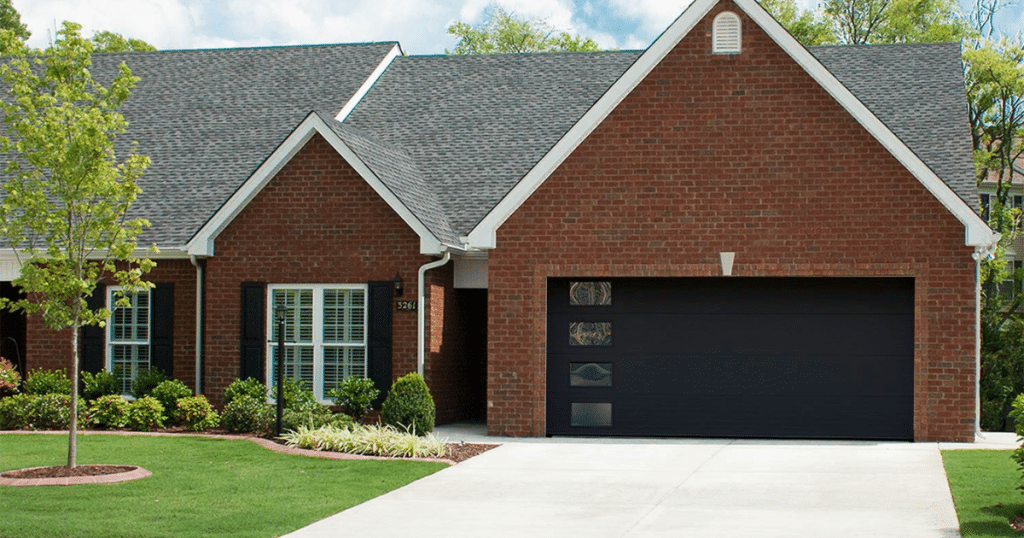
Your garage is no longer only a place to park a car; it has become a primary entry to the home. With today’s technology, this area is evolving fast. Smart garage door integration upgrades daily access, turning the garage into a fully connected entryway that responds to your routines. It helps homeowners manage entry without extra steps or second-guessing.
A smart garage door opener does far more than lift and lower the door. It connects to your smart home ecosystem via Wi-Fi, giving homeowners remote control, real-time status checks, and instant alerts. You can automate lighting and climate as the door opens, share temporary entry with family, and confirm security from anywhere. It also reduces remote clutter and keeps access ready on your phone. The result is smoother arrivals, stronger protection, and reliable control that conventional systems cannot provide.
The Shift from Traditional to Smart Garage Entry in Chicago
For years, the traditional garage door opener served a single purpose with a simple remote. However, homeowners in Chicago are increasingly selecting more advanced solutions. This shift comes from the desire for a home that feels more responsive, secure, and easier to manage. Many homeowners begin this upgrade during a new garage door installation, ensuring the entire system supports modern connectivity from day one.
Dealing with common garage door concerns, such as wondering whether the door was left open, is now far less common. Moving toward smart home technology reflects a broader push to use connectivity for greater peace of mind and a smoother daily routine.
If you want a full breakdown of smart vs. traditional benefits, read What Can a Smart Garage Door Opener Do That a Traditional One Can’t?
Key Differences Between Smart and Traditional Garage Door Openers
The core difference between a smart and a traditional garage door opener is connectivity and control. A traditional garage door system relies on a physical remote with a limited range. You must be nearby for it to work, and it provides no feedback on door status once you’re away.
A smart garage door opener connects to your home’s Wi-Fi. This lets you control and monitor the door from anywhere through a smartphone app. That upgrade changes how homeowners secure and access their homes daily. When compared directly, the benefits of upgrading are clear:
| Feature | Traditional Garage Door Opener | Smart Garage Door Opener |
| Control Method | Physical remote control or wall switch | Smartphone app, voice assistant, remote |
| Remote Access | No, requires you to be nearby | Yes, control from anywhere |
| Status Alerts | None | Real-time notifications (open/close) |
| Integration | None | Connects with other smart home devices |
| Security | Basic radio frequency | Encrypted signals, activity logs, and camera integration |
To understand how remote control changes daily access, read Control Your Garage from Anywhere What Smart Openers Make Possible.
Why Homeowners Are Upgrading to Smart Garage Entry Solutions
The biggest reason homeowners upgrade to smart garage entry is convenience paired with stronger security. Instead of turning the car around to confirm the door is secure, you can check the app and close it instantly if needed. That level of control is a significant improvement over a basic wall panel.
Homeowners are also tired of recurring issues with garage door openers tied to older models. Smart-capable openers offer options that traditional units don’t, such as automatic closing schedules and alerts for unusual activity. These upgrades add automation and tighter security without changing how the garage is used.
This shift isn’t about novelty—it’s a practical move toward a safer, more intelligently managed home. A connected garage entry delivers daily convenience and enhanced protection, making it a compelling upgrade for modern homeowners.
Core Benefits of Smart Home Integration for Your Garage
Integrating a smart garage door opener with the rest of your home delivers clear advantages that improve daily routines. It goes beyond basic remote operation and creates a coordinated, automated environment. Homeowners gain stronger control that reduces common garage door concerns and makes the entire entry system more responsive.
Two benefits stand out most: convenience and security. A smart garage door opener simplifies access while adding reliable protection.
Independent analysis from Forbes notes that thoughtful smart‑home upgrades, from connected lighting to access control, can significantly boost everyday convenience while improving safety for people living at home longer.
Increased Convenience and Seamless Control
One of the most valuable benefits of a smart garage door opener is the convenience it brings to everyday access. You’re no longer dependent on a physical remote that can be misplaced or lose signal. With a smart system, your phone becomes the main control point, letting you open or close the garage from work, on the road, or at home.
Seamless control also includes automation routines you can tailor to your schedule. The garage door can respond to your location or voice commands, helping daily arrivals and departures feel faster and easier.
Examples of convenient automation include:
- Geofencing: The garage door opens automatically as you approach home.
- Scheduled Closing: Set the door to close each night at a chosen time for added reassurance.
- Delivery Mode: Grant temporary access to a delivery professional without sharing a permanent code.
Enhanced Security Features for Your Garage Door
Traditional openers include basic safety sensors, but smart openers elevate garage security. Real-time monitoring is one of the strongest upgrades. If you’re unsure whether the door is secured after leaving, a quick app check gives instant confirmation and lets you close it remotely if needed.
Smart systems also support activity logs and alerts, so homeowners know exactly when the door moves and who accessed it. Combined with optional camera integration and automatic locking features, smart garage security becomes more active, more visible, and far more reliable than conventional setups.
Smart home security guidance recommends pairing connected garage devices with strong passwords, two‑factor authentication, and regular firmware updates so remote access doesn’t become a weak point in your defenses.
Real-Time Garage Door Monitoring for Stronger Home Security
Smart garage door openers create a detailed log each time the door opens or closes, so you always know when access happens. This is especially helpful for families with children or when tracking visits from service professionals. If any issues with the garage door opener arise, these logs provide clear, time-stamped details to support faster troubleshooting.
- Instant Alerts: Receive a notification on your phone whenever the garage door opens or closes.
- Activity Logs: Review a time-stamped history of all garage door activity.
- Camera Integration: Pair the opener with a smart camera to confirm who is in the garage.
How a Smart Garage Door Opener Connects with Other Smart Home Devices
A smart garage door opener doesn’t function alone. Its full value shows up when it connects with your broader smart home ecosystem. This connection allows the opener to work alongside smart lights, thermostats, and security systems, creating a more responsive home entry.
Using home automation platforms, you can build sequences that trigger multiple actions with a single command. That turns the garage into an intelligent, connected entryway that supports smoother routines and stronger security.
Using Voice Assistants, Apps, and Automation Routines
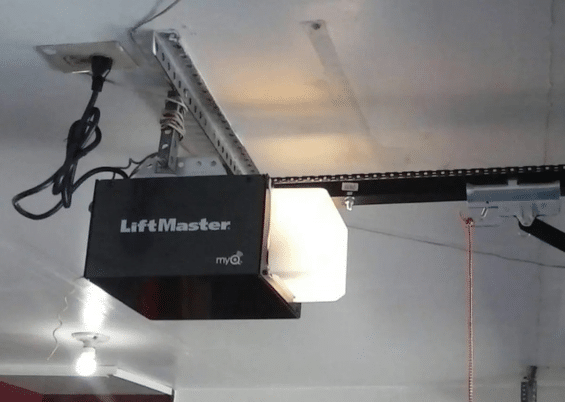
Homeowners usually control a smart garage via a mobile app or a voice assistant. Simple commands like “Hey Google, open the garage door” add hands-free convenience. The app provides complete control, letting you check door status and operate it from anywhere with internet access.
Automation is where smart garage systems stand out. You can create routines that link the opener with nearby devices, helping the home respond automatically to your schedule. For example, a “Leaving Home” routine can:
- Close the garage door.
- Turn off interior lights.
- Adjust the thermostat to an energy-saving setting.
- Arm the security system.
These connected routines reduce daily effort while maintaining secure, predictable garage access.
Real-Life Scenarios for Total Entryway Integration
Imagine arriving home on a dark, rainy evening. With an integrated smart garage, the experience changes instantly. As you get close to the house, the garage door opens automatically, the garage lights switch on, and the door leading inside unlocks. That’s the advantage of a fully connected home automation system working in sync.
This level of integration goes beyond convenience. It builds a responsive home environment that supports your routine without extra effort. A smart garage opener is a key part of that setup, acting as the trigger for multiple automated actions, such as:
- Welcoming You Home: The garage door opens, lights turn on, and your favorite music starts playing.
- Secure Delivery: Open the garage for a package drop-off, monitor it via a camera, then securely close the door.
- Guest Access: Allow a friend or family member to enter remotely without handing over a physical key.
The Role of Smart Integration in Garage Door Opener Repair and Trouble Diagnosis
Beyond convenience and security, smart integration helps with maintenance and troubleshooting. Instead of being surprised by a sudden breakdown, a smart garage door opener can provide early warning signs of developing issues with the garage door.
This self-checking ability simplifies garage door repair by sending clear error codes or alerts to your phone. That helps you—or a technician—identify the issue quickly without uncertainty. A proactive approach saves time and helps prevent minor problems from escalating into major repairs.
To see how live alerts and activity history strengthen garage safety, read Real-Time Garage Security That Traditional Openers Can’t Match.
Alerts, Monitoring, and Identifying Emergency Garage Door Issues
A major benefit of smart technology is that it continually monitors the health of your garage door system. If the door struggles to open, slows down, or doesn’t close fully, the sensors can detect abnormal operation and send an alert. This helps homeowners spot trouble early, often before an emergency garage door repair visit is needed.
Smart features can also help speed the diagnosis of garage door opener issues. You might receive a notice that safety sensors are blocked or that the motor is working harder than normal, indicating the need for preventive service.
Common smart alerts include:
- Obstruction Alerts: Notifies you if something blocks the door’s path.
- Maintenance Reminders: Some systems track cycles and suggest when to apply lubrication or complete routine checking.
- Failure to Close: Alerts you if the door reverses or doesn’t close completely.
- Unusual Activity: Flags door movement at unexpected times.
Smart home integration upgrades the garage into a connected entryway, improving both security and daily convenience. Moving from traditional openers to smart garage door systems gives homeowners remote access, real-time status checking, and smooth automation with other smart devices. These features help the garage respond to your routine, reduce uncertainty, and support a safer home environment with reliable control from anywhere.
Premium Garage Door Repair is ready to help you make that upgrade with professional installation, preventive maintenance, and dependable repair when needed. If you want to modernize your garage entry or need support for your current system, contact us or give us a call today to schedule a consultation.