
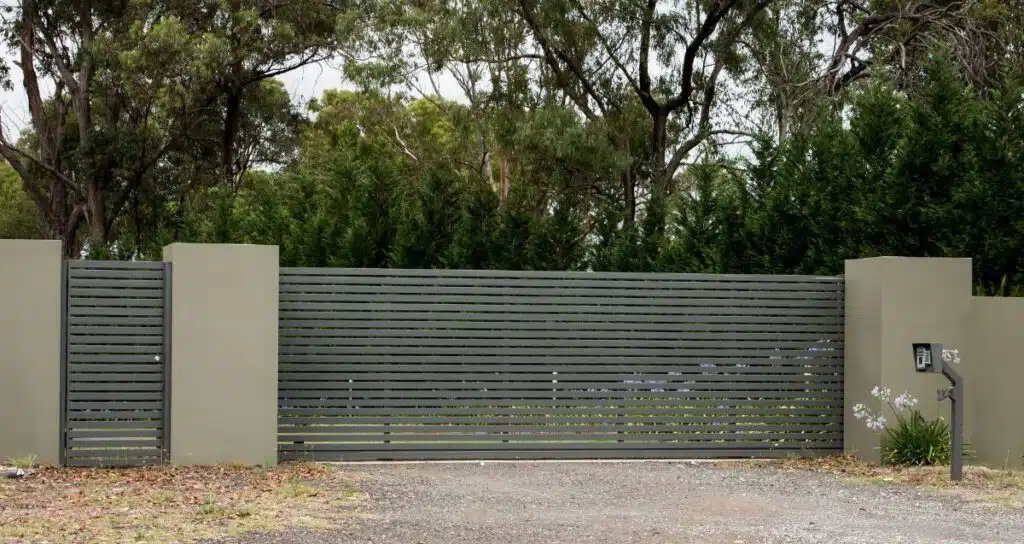
A garage door is one of the hardest-working systems in any home, opening and closing hundreds of times per year. For Chicago homeowners, this means exposure to freezing winters, humid summers, and fluctuating temperatures that test the strength of every component. Understanding the most common garage door problems can help homeowners spot early warning signs and maintain safety, convenience, and peace of mind.
Weather and Temperature: The Silent Culprits
Chicago’s unpredictable weather is a primary cause of garage door malfunctions. Cold air can cause metal parts to contract, while humidity causes them to expand, both of which can lead to friction, misalignment, and part failure over time.
Seasonal Challenges:
Season | Common Issue | Typical Cause |
Winter | Frozen door seals, motor strain | Ice buildup and thickened grease |
Spring | Broken springs, rust | Temperature shifts and moisture |
Summer | Door expansion, noise | High heat and humidity |
Fall | Cable wear, balance issues | Temperature fluctuations |
When these seasonal changes occur, the balance and operation of your garage door can quickly deteriorate. If you suspect a more serious underlying problem, it’s best to seek a professional inspection before the issue becomes a safety concern.
If your garage door isn’t operating smoothly or making unusual noises, it may be a sign of one of the issues listed below. For a complete look at how professional repairs restore safety and performance, visit our Garage Door Repair in Chicago, IL: Restoring Safety and Performance guide.
Worn or Broken Springs
The springs are the powerhouse behind your garage door’s movement. They support the weight of the door, helping it open and close smoothly. Over time, these high-tension components weaken or snap from repeated cycles — especially in Chicago’s cold winters.
When a spring breaks, you may hear a loud bang, and the door might suddenly stop halfway or feel unusually heavy when lifted manually. Because spring tension is dangerous, it’s essential to have them replaced by trained professionals.
Suppose your system is older or showing signs of wear and tear. In that case, you may also want to read about Why Professional Garage Door Repair Near Me in Chicago, IL Matters to understand why expert assistance ensures lasting safety.
Frayed or Snapped Cables
Garage door cables work in sync with the springs, helping lift and lower the door. Frayed cables are a clear warning that the door’s mechanical support is failing. Ignoring this problem could cause the door to drop suddenly, creating a significant safety hazard.
If you’ve noticed slack cables or uneven door movement, don’t attempt to adjust them yourself. Instead, book a professional garage door cable repair to prevent further damage and restore proper balance.
Misaligned Tracks and Rollers
The tracks and rollers guide your garage door’s movement, ensuring it travels smoothly. When they become misaligned or obstructed, you’ll often hear scraping or grinding sounds. Dirt, rust, or small objects can also interfere with movement.
Warning Signs of Track Misalignment:
- The door appears slanted or off-center
- Grinding noises when opening or closing
- The door stalls halfway through movement
Professional technicians can realign tracks, lubricate rollers, and replace damaged parts to restore optimal operation. For homeowners considering an upgrade, a garage door installation may be a long-term solution to eliminate recurring track issues.
Faulty Garage Door Opener
When your remote stops responding or the door refuses to open automatically, it often points to a malfunctioning opener. This can be due to electrical issues, worn gears, or signal interference. Cold weather can also reduce battery efficiency in openers, a common problem during Chicago’s long winters.
If your opener struggles to lift the door or responds inconsistently, scheduling a garage door opener repair can restore reliable performance and improve safety.
Noisy Operation: A Common Frustration
A noisy garage door isn’t just irritating; it’s a sign that parts are under stress. Screeching, rattling, or banging noises typically indicate loose hardware, worn bearings, or unbalanced springs.
Common Noise Sources:
Noise Type | Likely Cause | Recommended Action |
Squeaking | Dry rollers or hinges | Lubrication or part replacement |
Grinding | Track misalignment | Professional adjustment |
Banging | Spring tension imbalance | Safety inspection |
Troubleshooting guides list dozens of failure modes, from broken rollers and misaligned tracks to opener limit switch issues, underlining the benefits of routine inspections.
Addressing these sounds early can prevent breakdowns and extend the lifespan of your door. To learn more about preventive maintenance, check out How Timely Garage Door Repairs Prevent Costly Replacements in Chicago for insights into long-term care.
Sensor Malfunctions and Safety Reversals
Modern garage doors come with safety sensors that detect obstructions and prevent accidental closures. However, these sensors can malfunction due to dirt, misalignment, or extreme cold.
When sensors fail, your door might refuse to close or randomly reverse mid-operation. Regular inspection ensures your door remains safe for children, pets, and vehicles.
Industry standards, such as UL 325, require dual entrapment-protection mechanisms (for example, a reversing system plus photo-eyes) in automatic garage door operators, helping to reduce the risk of injury from closing doors.
Power Failures and Motor Issues
Chicago storms or power surges can disrupt your garage door motor. If your door fails to open after a power outage, check the manual release cord, but never force the mechanism. Persistent electrical problems require professional attention to avoid short circuits or fire hazards.
When to Call a Professional
While some problems seem minor, they can escalate quickly. Professionals have the training, tools, and safety gear to handle tension-loaded springs, cables, and electrical components safely. They also perform diagnostics to uncover hidden wear that homeowners might miss.
Calling an expert early helps prevent emergencies, enhances security, and ensures your garage door operates efficiently throughout the year.
Living in Chicago means dealing with unpredictable weather and constant temperature swings, both of which can wear down your garage door over time. Recognizing common issues and acting quickly can prevent safety risks and maintain your home’s functionality.
At Premium Garage Door Repair, we specialize in diagnosing and fixing every type of garage door problem. From spring replacement to opener troubleshooting, our certified technicians provide dependable, high-quality service across the Chicago area.
If your door is making noise, moving unevenly, or simply not functioning correctly, contact us today to restore safe and efficient operation and enjoy peace of mind.
Frequently Asked Questions
Why does my garage door make loud noises in winter?
Cold temperatures cause metal parts to contract, which increases friction and makes noises more noticeable.
How can I tell if my garage door spring is broken?
If your door won’t open, feels heavy, or you hear a loud snap, a spring may have broken.
Why does my garage door open halfway, then stop?
This often indicates sensor misalignment or a failing spring system.
What causes garage door cables to fray?
Wear from friction, rust, and age are common reasons cables deteriorate.
How long do garage door openers typically last?
Most last 10–15 years, depending on use and maintenance quality.
Can Chicago’s weather damage garage door sensors?
Yes. Moisture and freezing temperatures can cause sensors to malfunction.
What’s the best way to prevent garage door rust?
Regular cleaning, lubrication, and protective coatings help minimize corrosion.
Should I repair or replace a noisy garage door?
A professional inspection determines whether it’s a minor issue or a replacement need.
What’s the average cost for garage door repair?
The average cost may depend on the part damaged and the complexity of the labor.
Why is my garage door opener remote not working?
It could be due to low batteries, signal interference, or a faulty receiver.